
Buying a home in Florida is an exciting milestone, but the sunny exterior of a property can sometimes mask serious, underlying issues. While many sellers are honest, some deliberately conceal major defects to protect their property value and secure a quick sale.
For Florida homebuyers, being aware of these hidden dangers isn't just about protecting your investment—it's about safeguarding your family and your legal rights.
The Big Three: Florida’s Most Common Hidden Defects
In our unique subtropical climate, certain property issues are more prevalent—and destructive—than others. Here are the three most common defects sellers try to hide:
Toxic Mold: Florida’s high humidity and frequent storms make mold a constant threat. Sellers often attempt to cover up active mold infestations or systemic water leaks with a fresh coat of paint, temporary drywall patches, or heavy air fresheners during open houses.
Subterranean Termites: Termites cause billions of dollars in structural damage annually. Because they eat wood from the inside out, extensive structural damage can exist behind pristine-looking walls. Sellers might patch visible exit holes or clear away mud tubes right before an inspection without treating the actual infestation.
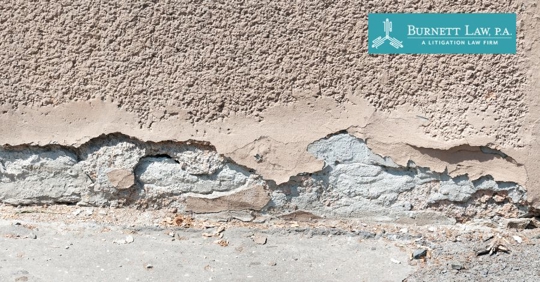
Foundation Cracks and Sinkhole Activity: Florida’s limestone terrain makes properties vulnerable to shifting foundations and sinkholes. Sellers may hide foundation cracks beneath new flooring, dense landscaping, or exterior stucco patches, leaving the buyer with a structurally unsound home.
When Concealment Crosses the Line Into Real Estate Fraud
Under Florida law, sellers are legally required to disclose any known facts or latent defects that materially affect the value or desirability of the property, which are not readily observable to the buyer. This landmark legal standard protects consumers from buying a financial nightmare.
When a seller actively hides a major issue—such as painting over a recurring water stain or falsifying repair records—they are not just being unhelpful; they may be committing real estate fraud. Real estate fraud occurs when a seller makes a material misrepresentation or intentionally omits crucial information to induce you into buying the property. If you discover major, covered-up defects after closing, you do not have to just accept the loss. You have legal avenues to hold the dishonest party accountable for damages, repair costs, and legal fees.
Protect Your Investment
Navigating the aftermath of an undisclosed home defect can feel overwhelming, but you do not have to face it alone. If you suspect you have been a victim of seller non-disclosure or real estate fraud, it is critical to seek professional guidance immediately. At Burnett Law, we are dedicated to protecting homebuyers and ensuring your peace of mind. Since 1998, we have been dedicated to uncovering the truth. We hold fraudulent parties accountable and secure the compensation our clients deserve. We can help you, too.
Contact our experienced legal team today at (813) 491-8272 to discuss your situation and learn how we can help you hold the responsible parties accountable.